
 Brian Dương
#What Is Vietnamese Japonica Rice? What Dishes Is It Made Into?
What Is Vietnamese Japonica Rice? What Dishes Is It Made Into?
27/05/2025 -
Nội dung bài viết
Vietnamese Japonica rice is a distinctive variety cherished for its unique texture, flavor, and versatility. Unlike the more widely known long grain jasmine rice, Japonica rice features short, plump grains with a sticky and chewy texture once cooked. Grown mainly in northern Vietnam’s mountainous regions, this rice variety plays an important role in Vietnamese cuisine and culture. This article explores what Vietnamese Japonica rice is and the popular dishes that are made from it.
Understanding Vietnamese Japonica Rice
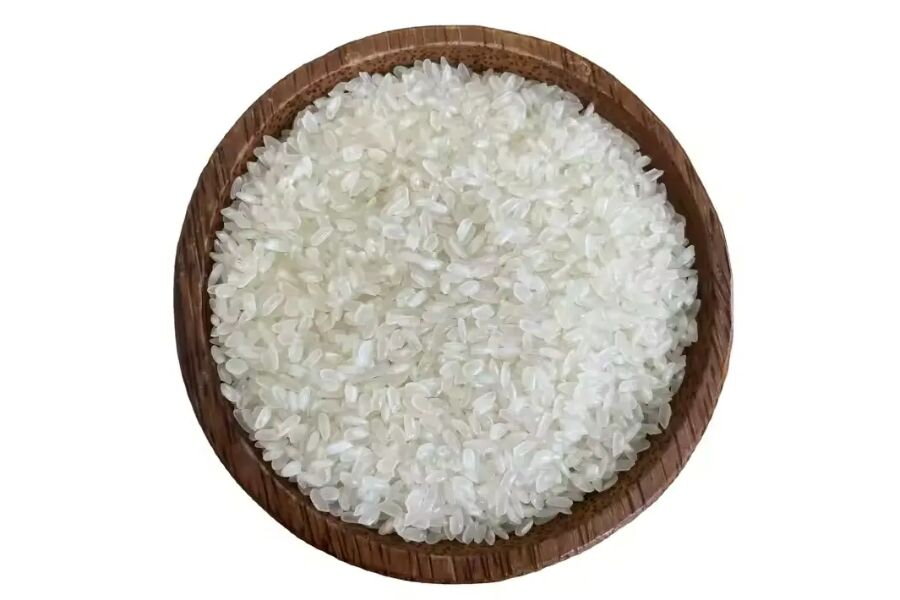
Japonica rice, also known as short-grain rice, is characterized by its rounded, short grains. In Vietnam, it is primarily cultivated in the cooler, highland areas of the north where the climate and soil conditions favor its growth. Vietnamese Japonica rice is often polished white rice but retains a tender, sticky texture when cooked, making it especially suited for certain culinary applications.
Key Characteristics of Vietnamese Japonica Rice
-
Short and plump grains: Unlike long grain rice, Japonica rice grains are rounder and shorter.
-
Sticky texture: Due to its high amylopectin content, the cooked rice sticks together, perfect for dishes that require cohesive rice.
-
Glossy appearance: The rice appears shiny and slightly translucent when cooked.
-
Mild, sweet flavor: Its subtle sweetness complements a variety of Vietnamese dishes.
-
Nutritious: Provides a good source of carbohydrates and essential nutrients.
Popular Dishes Made with Vietnamese Japonica Rice
The unique properties of Vietnamese Japonica rice make it the ideal choice for several traditional and modern Vietnamese dishes.
1. Sticky Rice (Xôi)
Sticky rice, or xôi, is a staple breakfast and snack food throughout Vietnam, especially in the northern regions.
-
Preparation: The rice is soaked, steamed, and often mixed with mung beans, peanuts, or other ingredients.
-
Varieties: Can be sweet (with coconut milk, sugar) or savory (with pork floss, pate, or chicken).
-
Cultural importance: Often served during festivals, celebrations, and religious ceremonies.
2. Rice Cakes (Bánh)
Japonica rice is the base for many traditional Vietnamese rice cakes, which are essential for special occasions.
-
Bánh Chưng and Bánh Tét: Popular during Tet (Lunar New Year), these cakes combine sticky rice with mung beans and pork.
-
Other regional cakes: Various steamed and grilled rice cakes are made using Japonica rice for their sticky and chewy texture.
3. Rice Porridge (Cháo)
Sticky Japonica rice is also used to prepare cháo, or rice porridge.
-
Texture: The high starch content produces a creamy, smooth consistency.
-
Versatility: Often served plain or with toppings such as chicken, fish, or century eggs.
-
Comfort food: Popular as a light meal or during illness.
4. Sweet Desserts
Vietnamese sweet dishes often incorporate Japonica rice for its texture.
-
Sweet rice balls: Made with sticky rice flour and fillings like mung bean or coconut.
-
Rice puddings: Soft, sticky texture ideal for desserts with coconut milk and sugar.
5. Sushi and Other Asian Dishes
Due to its sticky nature, Japonica rice is suitable for sushi and similar dishes that require rice to hold shape.
-
Rice balls (Onigiri): Popular among Vietnamese and Asian fusion cuisine enthusiasts.
-
Rice wraps: Used in various rice-based wraps and rolls.
Cooking Tips for Vietnamese Japonica Rice
To enjoy the full flavor and texture of Vietnamese Japonica rice:
-
Soak the rice: Soaking for 30 minutes helps soften grains and improve stickiness.
-
Steam rather than boil: Steaming preserves texture and prevents mushiness.
-
Rinse lightly: Remove excess starch but avoid over-washing to maintain stickiness.
-
Use appropriate water ratio: Typically around 1:1.2 rice to water.
-
Avoid stirring: Keep grains intact during cooking for better texture.
Nutritional Benefits of Vietnamese Japonica Rice
Vietnamese Japonica rice provides:
-
Energy-rich carbohydrates: Fuels daily activities.
-
Moderate protein: Supports muscle repair and growth.
-
Gluten-free: Suitable for those with gluten intolerance.
-
Easily digestible: Gentle on the stomach.
While not as fiber-rich as brown rice, it offers a comforting and nutritious option especially suitable for traditional meals.
Conclusion
Vietnamese Japonica rice, with its sticky texture and subtle flavor, is a fundamental ingredient in many beloved Vietnamese dishes. From festive sticky rice and rice cakes to soothing porridges and sweet treats, this rice variety enriches Vietnamese cuisine with its unique qualities.
Whether you are exploring Vietnamese culinary traditions or looking to try new rice varieties, Vietnamese Japonica rice offers a delicious and authentic experience that reflects Vietnam’s rich agricultural heritage.
Learn more: Japonica Rice
Xem thêm: https://foods.be5.com.vn/gao-japonica/
TVQuản trị viênQuản trị viên
Xin chào quý khách. Quý khách hãy để lại bình luận, chúng tôi sẽ phản hồi sớm